

Global Mental Health Fellowship
Welcome to the GMH Fellowship!
Mental illnesses are among the worst of life’s common misfortunes. Yet, essential care remains largely unattainable throughout most of the world.
You can help change this! Effective Mental Health (EMH) and Sentient Impact are running the Global Mental Health Fellowship, which explores emerging interventions and methodologies to delivering mental health interventions at scale. The fellowship culminates in a project to have a real impact on the GMH gap!
Apply below! You may also read through the course materials on your own.
You can also access the course materials here
How it works & time commitment
-
All of our programs are facilitator-led and fully remote. We are proud to have fellows from all over the world!
Fellows are expected to show up to a weekly 1.5 hour call from a computer with their camera on, seated and ready to participate in an active discussion on the week’s reading materials.
-
The weekly time commitment is about 5 hours/week:
2-3 hours of reading
Before each discussion you’ll spend around two hours completing a set of readings, videos, and activities.
1.5h discussion
Weekly discussions with a cohort of fellow participants and an experienced facilitator.
Network with fellows & alumni
Fellows are encouraged to make connections and discuss outside of the weekly call! Fellows can access a Slack channel of people dedicated to improving global mental health.
-
This is a free program! There is no cost to participate for accepted fellows.
-
Apply to a course by clicking the above “apply” button (or click here). In our 10-minute application, where you’ll tell us about yourself and how the selected fellowship would help you improve your impact as it relates to GMH (e.g. your career direction).
What Our 80+ Fellows are Saying About the Program
-
![]()
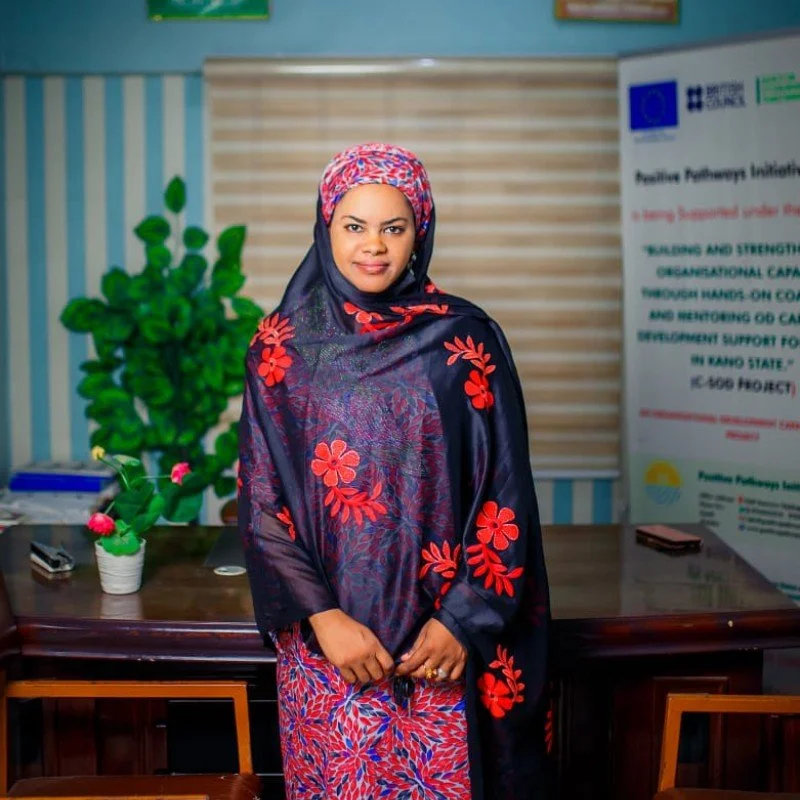
Ruqayya Umar Tofa, Executive Director, Positive Pathways Initiatives
"I greatly appreciated the meaningful connections... The program’s structure and discussions were highly relevant to my work in community mental health."
-
![]()
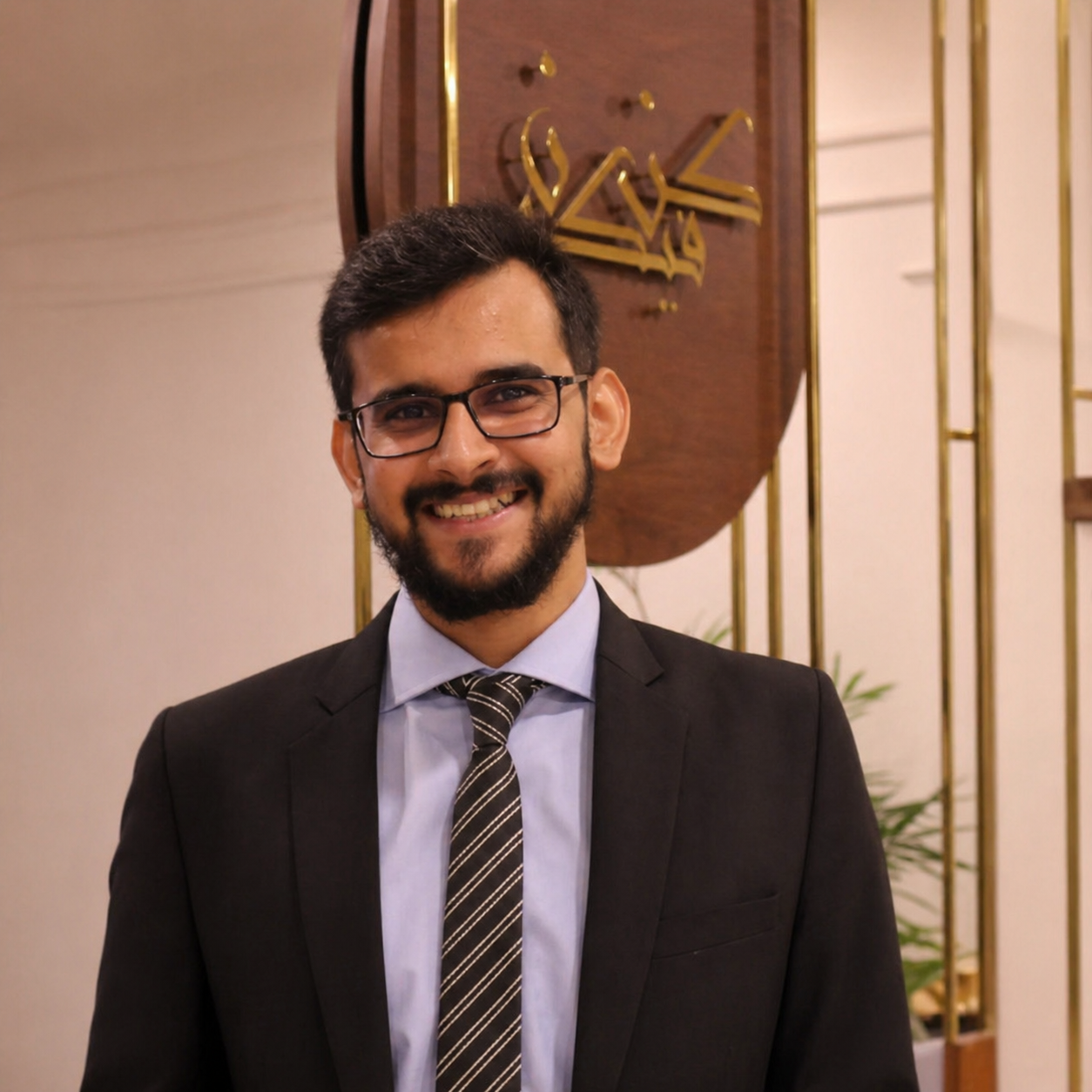
Salman Maqbool, Founder, PsychiatrAI
“Going through the fellowship has re-grounded what I am working on to more nonprofit and impact-oriented values. The community, discussions, readings—all were uniquely beneficial.”
-
![]()
Jacqueline Owden, Mental Health Lead, Wajamama Community Health
"Through this fellowship I have been able to tap into my creative side to come up with innovative solutions to the problem of (mental health) referrals that I have been working on."
-
![]()
Lilia Lisina
“I have really enjoyed the discussions… learning from other participants and from our facilitator. There were a lot of new points of view that I otherwise probably wouldn't have encountered.”


Meet the fellowship team

Gina Hafez
Curriculum Designer
Facilitator
Gina Hafez is a licensed therapist working to close the global MH access gap, including investigating AI-empowered interventions.

Damin Curtis
Curriculum Designer
Program Operations
Damin Curtis is an AI governance professional with experience running fellowships for advocates and researchers.

Mark Rootenberg
Curriculum Designer
Facilitator
Mark Rootenberg is a licensed therapist with experience in wellbeing research and advocating for improved global MH access.

Emily Budd
Facilitator
Emily Budd is a graduate student counselor and a co-founder of Effective Mental Health.

Angie Hsu
Program Operations
Fellow Feedback Analyst
Angie Hsu is a research and operations specialist and a lead team member at Effective Mental Health.

Lara Bridge
Curriculum Designer
Lara Bridge is a Health & Social Systems Strategist and psychological advisor with a research Master’s in cognitive sciences.

Stef Deuring
Curriculum Designer
Stef Deuring is a Board Member of Effective Altruism Amsterdam.
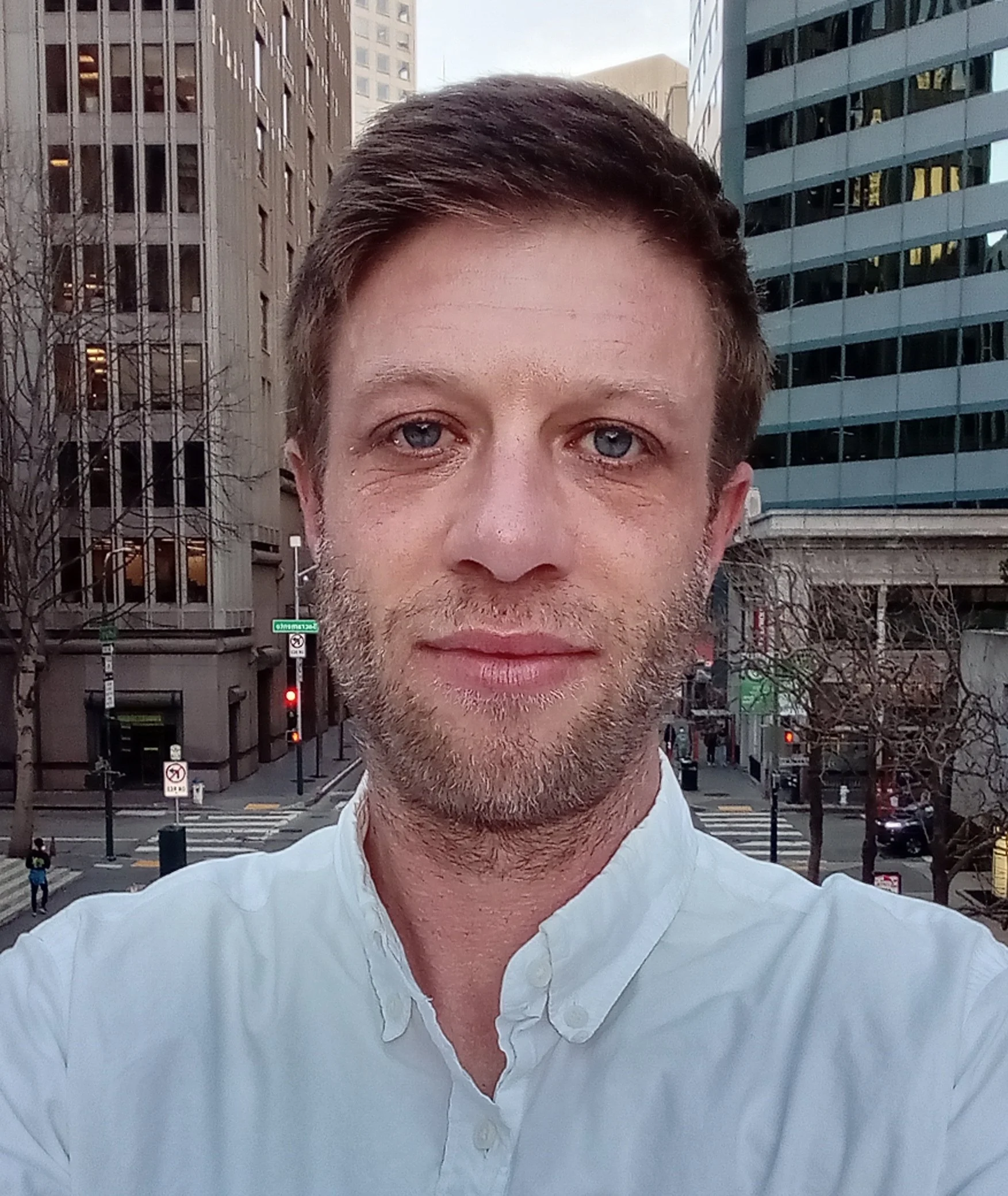
Rufus Silber
Facilitator
Rufus Silber is a Workshop Designer & Facilitator with experience designing programs that help adults engage deeply with complex topics.
Why Mental Health Interventions?
Cost Effectiveness of MH Interventions
Mental, neurological, and substance-use disorders account for 12% of the global burden of disease when measured in DALYs, yet mental healthcare accounted for just 2.4% of global healthcare spending in 2016. Treatment gaps are massive, and most people with mental illness do not receive treatment. (Only 22% of people with mental illness in high-income countries, and as little as 4% of those in low-income countries, receive treatment).
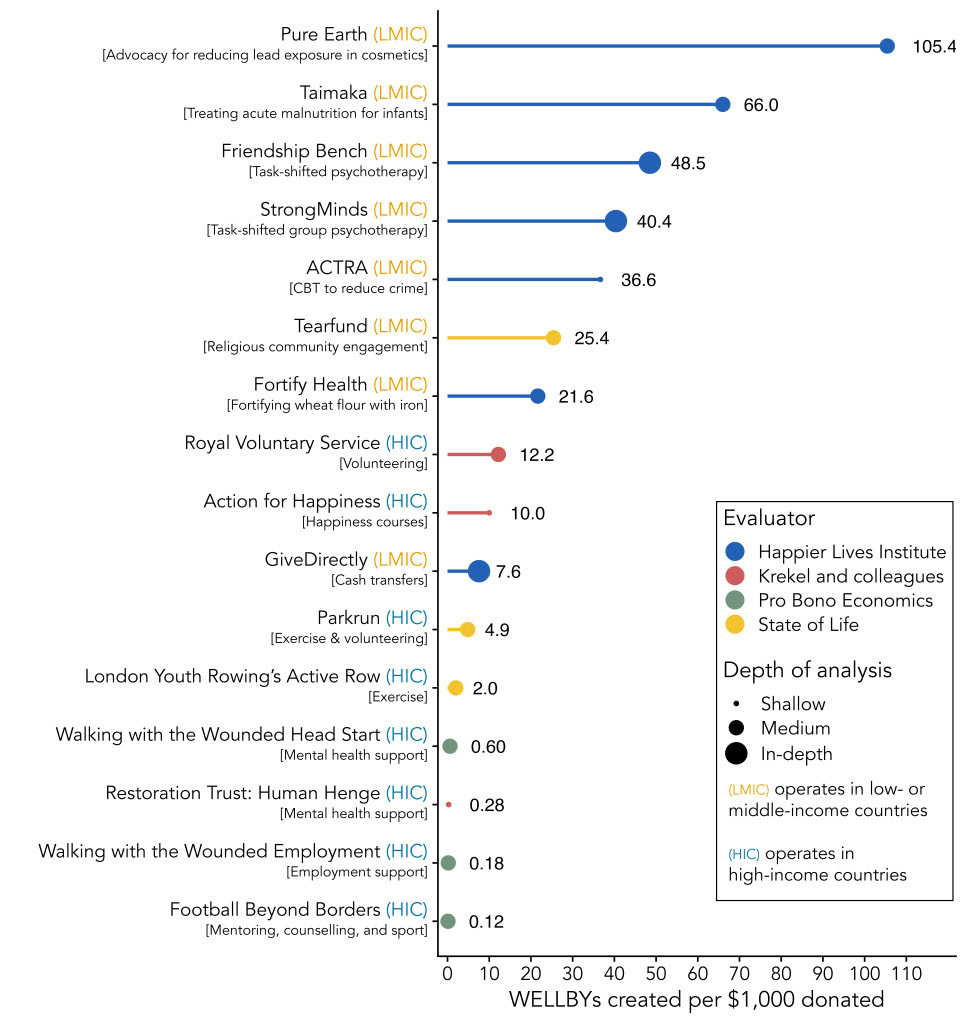
Luckily, promising mental health interventions are highly cost effective in both low- and high-income countries. The Happier Lives Institute’s investigations into intervention cost effectiveness find that some mental health interventions are well over 5x more effective than GiveDirectly’s cash transfers.
However, many highly effective, evidence-backed interventions are bottlenecked by lack of prioritization, funding, and implementation.
Moral Robustness of MH Interventions
Improving mental health is ethically robust across moral systems, directly increasing wellbeing without ethical tradeoffs (e.g., no “meat-eater problem”). MH interventions target what matters most: how happy sentient beings actually feel, which may be robust both in the near-term and across many potential long-term future scenarios. There are likely also important positive externalities to improving the global mental health as a cause area; e.g. improved measures and targeting of subjective wellbeing could help us design new government success measures, better rank global priorities, or align future Artificial General Intelligence systems to robustly positive values.
At the end of the day, well-being and suffering stem from internal mental experiences. Understanding how to assess and avoid the worst subjective mental states may robustly increase our ability to reduce extreme suffering now and in the future.
Tapping Unique Funding Pools
AIM (Charity Entrepreneurship) notes that since many foundations and funders are focused on a particular geography or cause area, “even if mental health interventions turn out not to be as cost-effective as the best global health program, there is still a substantial opportunity for impact”, since these interventions may have access to donors who wouldn’t otherwise fund other cause areas (even if these other cause areas demonstrate higher marginal opportunities for impact).